

Introduction: Why Your Bin Choice Matters More Than You Think
Here is a simple truth: a bin that fails costs you more than the bin that lasts. In many facilities, trash can manufacturers shape the unseen rhythm of hygiene, safety, and daily flow. When buyers seek out plastic trash can manufacturers, they often look at price first, not performance. Picture a hospital corridor at 6 a.m., staff moving fast, liners swapped, wheels squeaking. Now add data: a 12% increase in contamination events linked to cracked lids and poor seals over one winter cycle. So ask yourself—what is the real cost of a cheap bin?
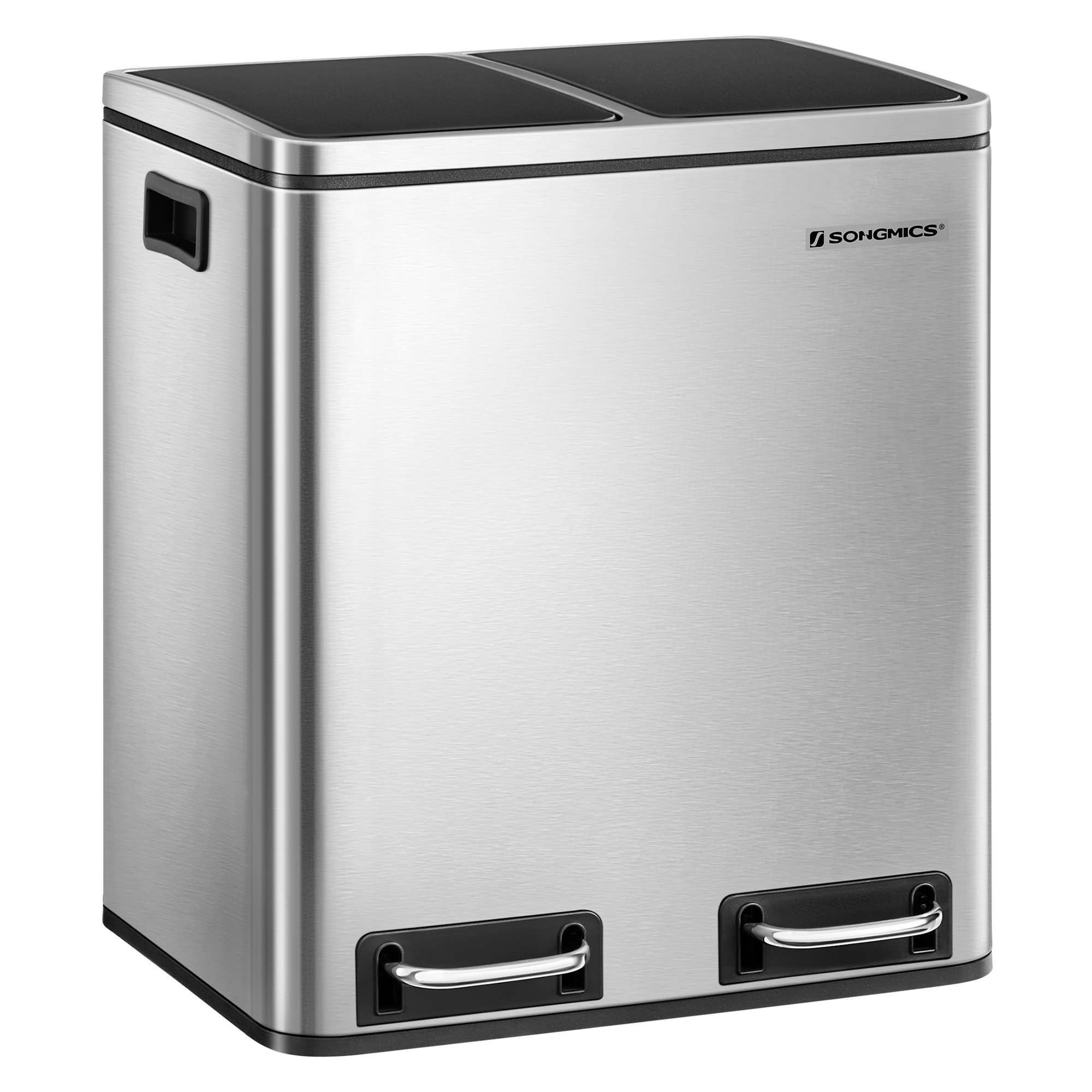
This is not high theory. It is process. Think injection molding tolerances, resin grade variation, seam stress at the hinge. Small deviations cause big headaches. Waste rooms back up. Janitors waste minutes. Odors linger (and complaints double). You feel it in overtime and lost floor space. Direct, yes. But clear. So, how do we compare makers with a sharp, fair lens that anyone can use? Let’s move from surface details to the proof under the lid—quiet failures and how to see them before they hit your budget.
Part 1: The Hidden Pain Points Users Don’t Report
Why do bins fail quietly?
Most buyers focus on volume and looks. That is the first trap. The deeper pain is wear at the touch points—pedals, lids, rims, and wheels. When a hinge pin loosens, the lid no longer seals. Odor control drops. Staff tape it shut and do not log the fault. Over weeks, liners tear on sharp rims, and bag spend rises. In high-traffic areas, micro-cracks at the pedal spread under cold shock. Without UV stabilizers, outdoor bins fade and embrittle by summer’s end. It is basic mechanics wrapped in daily rush.
Look, it’s simpler than you think. Ask where stress concentrates and what the countermeasure is. Competent plastic trash can manufacturers test pedal torque and cycle life. They tune mold tooling to prevent knit lines near hinges. They pick resin grade with the right impact modifier and anti-microbial additive for healthcare floors. Technical? Yes. But necessary. If you track the actual break points, you will see a pattern: seals, rims, and motion parts fail first—funny how that works, right? Build your checklist around those zones, and your complaints chart starts to flatten.
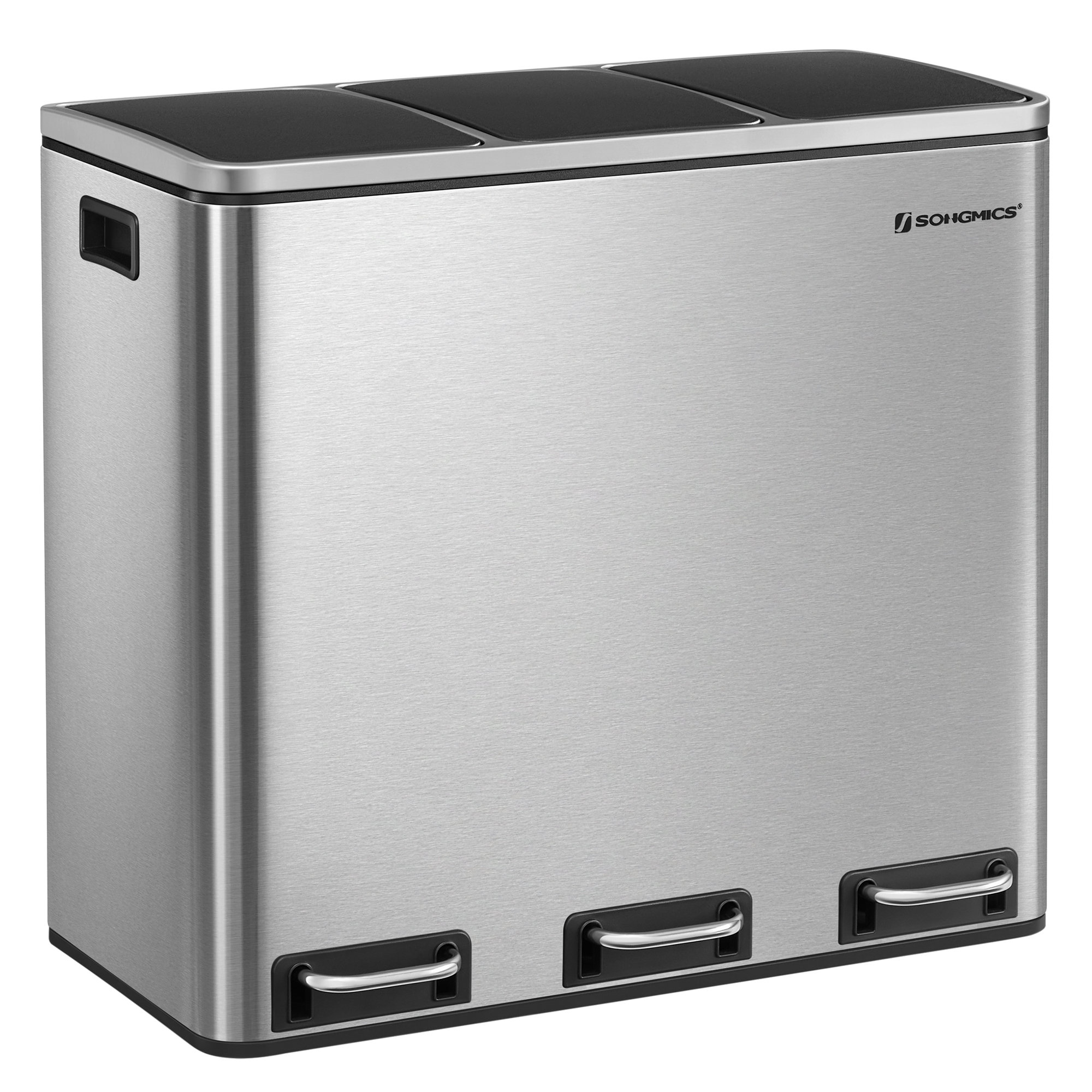
Part 2: A Comparative Lens That Looks Ahead
What’s Next
Now shift from problems to principles. The next edge comes from simple, robust design and light tech—only where it pays back. Think new hinge geometry validated by finite element analysis, not gimmicks. Consider pedal assemblies that spread load across a wider rib network. On the material side, recycled PP with tighter melt-flow control can match virgin performance when the supplier certifies batch traceability. Add a modest gasket redesign, and odor egress drops fast. Some models integrate tiny edge computing nodes for fill sensing; paired with low-draw power converters, they feed usage data without heavy upkeep. It is not sci-fi. It is good engineering scaled.
Case examples show the path. A hotel group compared three 45L bins over six months. The unit built with double-wall rims and UV stabilizers cut rim tears by 38%. Pedal failures fell after the maker switched to a glass-filled pivot and revised the return spring. Maintenance tickets dropped, and the night shift stopped swapping lids across rooms (less chaos, more calm). For mobile setups, a reliable portable trash can supplier offered wheel housings with sealed bearings; roll resistance fell, and staff strain claims declined. Semi-formal take: compare by mechanics, materials, and measured outcomes—not by catalog gloss. Then ask how the design will adapt next year as cleaning agents and compliance rules change.
How to Choose: A Short, Practical Check
We have covered the quiet failures and the smarter fixes. Here is an advisory close with three metrics you can use on any shortlist. First, lifecycle testing: demand pedal and hinge cycle counts with pass/fail curves, plus torque retention after 5,000 cycles. Second, material proof: resin grade certificates, UV stabilizer specs, and anti-microbial additive data—tied to batch IDs and ISO 9001 records. Third, operating fit: liner compatibility, wheel load rating, and seal performance under your real cleaners and temperatures. Measure these, and cost-of-ownership becomes visible. Compare makers by these signals, choose with calm, and revisit yearly. For steady benchmarks and supplier dialogue, see SONGMICS HOME B2B.
