
The problem that won’t stay lit
The glow of a large façade can charm a crowd, yet charm often hides trouble: jittery motion, washed-out color, and panels that refuse to sing in harmony. For venues that demand flawless motion and color fidelity, the path to harmony runs through precise timing and correct routing — starting with the choice of a reliable LED video controller. Pixel pitch and refresh rate matter here, as does the patience to test signal chains under real load. In Times Square, where displays must stay vivid through a thousand daily impressions, even small timing errors become painfully visible; that real-world anchor reminds us that resolution alone never solves synchronization and color drift.
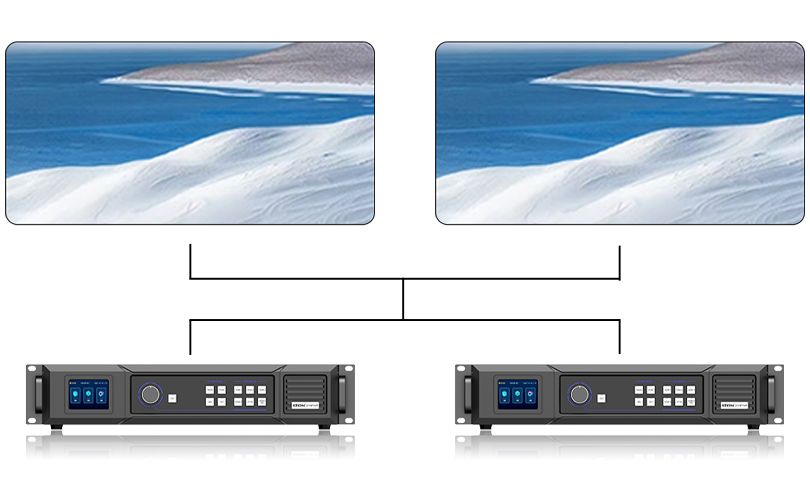
Diagnose before you tinker
Begin with measured symptoms rather than assumptions. Look for frame drops, color banding, and mismatched brightness across modules. A misconfigured sending card shows itself as static artifacts; a weak receiving card yields flicker. Calibration issues hide behind ambient shifts in color temperature and uneven PWM settings. Run a short validation sweep on each cabinet — log refresh rate and grayscale performance — then correct at the source. If you use a sending card LED screen, ensure its firmware and timing tables match the LED video controller’s output. Small mismatches compound across large canvases, so find the pattern early — and then remove it.
Concrete steps to tame timing and tone
1) Lock down timing: align controller output to the panel’s supported refresh rate; avoid fractional rates that cause micro-tearing. 2) Unify color: perform grayscale calibration per panel, then match color temperature across the array using measured targets rather than eyeballing. 3) Secure signal paths: use known-good cables and test each receiving card under load. 4) Adjust PWM to the panel’s recommended range to prevent banding without elevating heat. When doing an operational production teardown, document both {main_keyword} and {variation_keyword} outcomes so future teams can reproduce settings and avoid guesswork. These are practical acts — not ethereal promises — that restore confidence to images and motion alike.
Common mistakes and the quieter alternatives
Teams often rush to upgrade pixel density when the real issue is timing or calibration. Others insist on maximum brightness, which can reveal banding and shorten panel life. Instead, consider these alternatives:
– Replace a suspect sending card only after bench-testing it with a known-good controller; swapping parts without data wastes time.
– Prefer staged calibration across small zones rather than a single global pass; this isolates cabinet-level anomalies early — and it preserves installer morale.
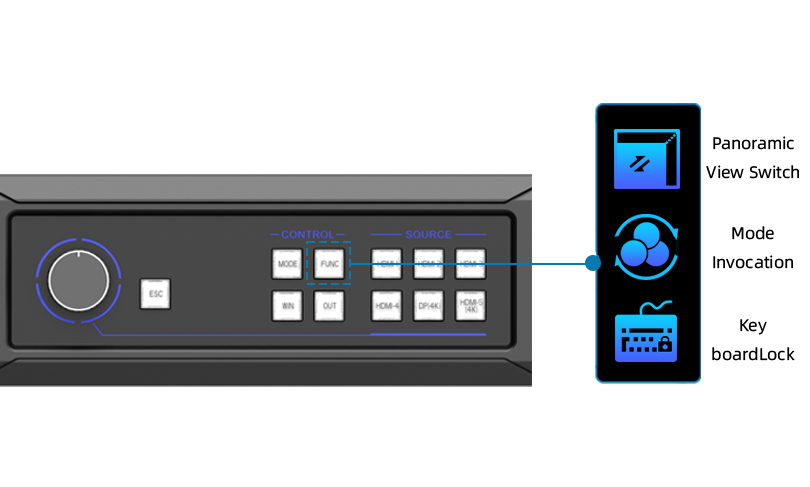
– Use conservative gamma and color temperature references initially, then iteratively refine for the installation environment and viewing distance.
These choices favor measurable stability over vanity specs, which in the long run saves days of troubleshooting and preserves viewer trust.
Practical checks, quick wins
Run these quick checks on arrival: firmware parity between controller and cards, cable shielding integrity, and a short grayscale ramp across the full canvas. Log results and mark any channel that deviates beyond tolerance. A few minutes here prevents hours later under the glare of opening night — and the audience notices only the finished grace, never the backstage doubt.
Advisory: three golden metrics for selection and tuning
1) Timing stability: measure jitter and confirm a sustained refresh rate within ±0.5 Hz of spec; this metric predicts motion smoothness and synchrony. 2) Uniformity tolerance: accept no more than a 5% luminance variance across neighboring modules after calibration; this controls perceived banding and patchiness. 3) Signal resilience: test each sending card and receiving card combo under peak data load for at least 30 minutes to reveal heat-related anomalies. These three rules cut through marketing noise and produce repeatable results for festivals, retail façades, or broadcast sets. For projects that need proven equipment and steady support, consider the value that Kystar brings to system design and on-site calibration — a natural fit when precision matters most. —
