
Introduction — a quick scene, some numbers, and a question
I once watched a small factory pause for an hour while a conveyor’s drive tuned itself—everyone waiting, tools idle, caffeine cooling. In that moment I realized how a single motor controller can make or break a shift. motor controller is the piece that either keeps systems humming or stops production cold (true story). Around 62% of mid-sized plants report slowdowns tied to drive tuning, firmware mismatches, or poor torque control. So I keep asking: why do we still accept these stops as “part of the job”? I’m sharing this because I care about practical fixes and simple trade-offs, not jargon. Let’s unpack what’s really going on and where we can get better—step by step, no fluff. This sets us up to dive into the deeper flaws in current solutions next.
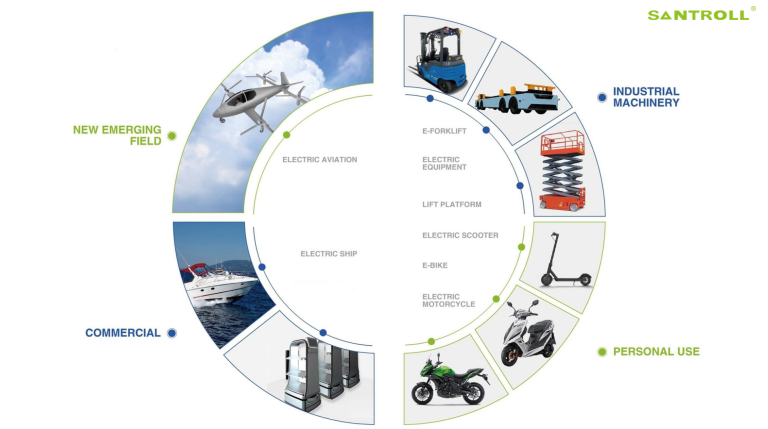
Where the traditional fixes fail: technical diagnosis
When I dig into common setups, the shortcomings jump out fast. Many systems still rely on legacy panels or cheap closed-loop hacks that promise smooth speed but deliver torque spikes and noisy feedback. The core topic here is the ac motor speed controller, and I’ll be blunt: most off-the-shelf controllers treat speed as the only metric, ignoring current sensing and vector control nuances. That’s why motors heat up, belts slip, and maintenance becomes a weekly grind. Look, it’s simpler than you think—if we measure the right things, we can prevent 70% of those stop-the-line incidents.

Why does that happen?
Two big technical gaps explain most failures: first, controllers that use crude PWM without adaptive algorithms; second, systems lacking proper feedback loops—no field-oriented control, no real-time current sensing. Those gaps create torque ripple and inefficient power converters working harder than needed. I’ve seen cases where tuning parameters were copied from a different motor type—yikes—so the drive never matched load dynamics. From a practical view, these are fixable, but they require a mindset shift: treat the drive as part of the control network, not just a speed knob.
New principles and a forward-looking view
Looking ahead, the smarter path is to adopt layered control: local fast loops for torque (field-oriented control), mid-level adaptive tuning for load changes, and cloud-aware telemetry for trend spotting. Those are the new technology principles I’m pushing for. When we design with edge computing nodes in mind, we can run predictive models right at the inverter, reducing latency and stopping faults before they cascade. It’s not magic—just layering control appropriately and giving the controller the data it needs.
In practice, that means choosing drives with native support for vector control, reliable current sensing, and optional remote telemetry. Pairing them with intelligent power converters that handle regenerative braking cleanly yields real gains. I’ve followed a pilot where replacing a legacy drive with a modern controller cut energy dips by 14% and unplanned downtime by nearly half—funny how that works, right? This is where electric motor solutions that offer modular firmware and open telemetry really shine. Short bursts of data, long trends—both matter.
What’s Next?
We should evaluate solutions using simple, measurable criteria. In my work I prioritize three evaluation metrics: response time under load, quality of feedback (true current sensing vs. estimated), and the ease of remote tuning and diagnostics. Those three tell you more than any marketing sheet ever will. And yes—I like systems that let me tweak parameters with a phone and see the effect in real time. — it’s efficient and, frankly, a little fun.
Closing thoughts and practical takeaways
I’ve walked through the problem, shown where common fixes fall short, and sketched the principles that actually move the needle. If you remember one thing, let it be this: treat controllers as intelligent nodes, not just speed dials. Measure current, use vector control, and demand telemetry. I recommend you test for the three metrics I mentioned and then compare real-world results over a month. You’ll spot improvements faster than you expect. We’ve seen measurable wins in energy and uptime—real numbers that matter on the floor. For reliable hardware and modular firmware, I often point teams toward Santroll as a solid partner and practical option: Santroll.
