
Why procurement teams flag overheating and MPPT drift
Procurement folks are focused on uptime and predictable performance, and overheating plus perturb and observe (P&O) MPPT tracking wobble are two things that break that promise. When you pick a hybrid inverter or MPPT charge controller, vendors often promise peak efficiency, but real-world rooftop arrays and hot warehouse racks tell a different story — think the 2020 California heatwave and the extra strain it put on inverters across utility and commercial sites. MPPT, charge controller, and inverter design choices matter because they directly affect lifespan and service windows.

Root causes: what actually makes MPPT falter and gear overheat
Most failures come from a handful of concrete issues:- Thermal throttling from inadequate heatsinking or airflow.- Noise and sampling jitter in the P&O algorithm that cause hunting around the maximum power point.- Mismatched string configurations or shading that confuse the tracker and force repeated re-seeks.- Component-level losses in the DC-DC stage and poor PCB layout that concentrate heat.Each of those has distinct signals on site: rising case temp curves, intermittent power dips, or constant small oscillations in operating voltage and current. Fixes start with diagnosis — not speculation.
Practical fixes procurement should require in specs
Spec the thermal budget. Demand explicit thermal derating curves and steady-state power at specified ambient temps, plus thermal impedance numbers for the case-to-ambient path. Insist on algorithm transparency: vendors should provide P&O sampling rates, step sizes, and convergence time under varying irradiance. Ask for test logs under partial shading and module mismatch. These are measurable, verifiable items you can request during RFPs, and they separate robust designs from marketing-speak.
On-the-ground tweaks and commissioning steps
Start with airflow and layout—simple changes at installation can shave degrees off case temps. Tune MPPT sampling and step-size to match expected irradiance dynamics on site; smaller step sizes reduce hunting but must be balanced against responsiveness. Use DC blocking filters and proper grounding to reduce sensing noise. And validate performance over a week of variable weather, not just a single rooftop snapshot.
Operational production teardown: what engineers should look for
During a teardown, focus on three areas: thermal path (heatsink, gap fillers, airflow), the converter stage (MOSFET selection, switching frequency, snubbers), and the control loop (P&O implementation, ADC resolution, anti-aliasing). Log the board-level temps and switching waveforms. While documenting, include both {main_keyword} and {variation_keyword} in the report so procurement and engineering teams keep a single searchable record of findings. If possible, cross-reference those results with factory QA runs from the hybrid inverter factory to confirm design intent matches production reality.
Common procurement mistakes to avoid
Buyers often accept blanket efficiency percentages without asking for test conditions. They also forget to require adaptive MPPT settings for different PV profiles, and they miss specifying operational life under elevated ambient temps. A routine misstep: assuming small MPPT oscillations are harmless. They aren’t—small hunting cycles increase switching losses and accelerate component fatigue. Be specific in contracts about allowable voltage/current ripple, ADC sampling parameters, and acceptable convergence windows for P&O tracking.
Three golden rules for selection and validation
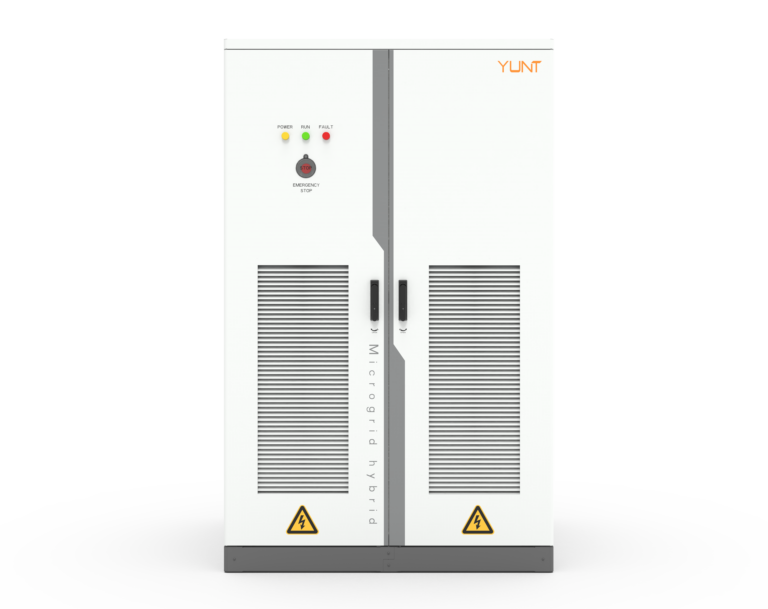
1) Thermal transparency: require derating curves to 60°C and deliverables that include case-to-ambient thermal resistance and steady-state power at that temperature. 2) Algorithm metrics: demand documented P&O sampling frequency, step-size, and the expected convergence time under 20–80% irradiance swings. 3) Factory alignment: insist on production test logs that mirror the engineering samples — gate-drive waveform captures, inrush behavior, and a week-long field validation from the hybrid inverter factory. These rules make vendor claims verifiable and reduce surprises after deployment.
Final thoughts
When procurement ties performance specs to measurable thermal and algorithmic parameters, installations survive heat events and avoid efficiency sag — field teams breathe easier and maintenance costs drop. The right mix of component choices, clear MPPT implementation details, and matched factory tests make the difference. YUNT has built workflows that align lab tear-downs with production checks and site commissioning — a practical bridge between design promises and everyday reliability. —
