
Quantitative lead: framing the problem
Critical facilities standardize around measurable targets: uptime, transfer time, and fuel consumption. Using a data-driven lens, decisions about silent diesel gensets must start with numbers rather than brand narratives. Metrics reduce risk: mean time between failures (MTBF), expected runtime at 75% load, and decibel ratings under load deliver objective comparisons for procurement teams and engineers.
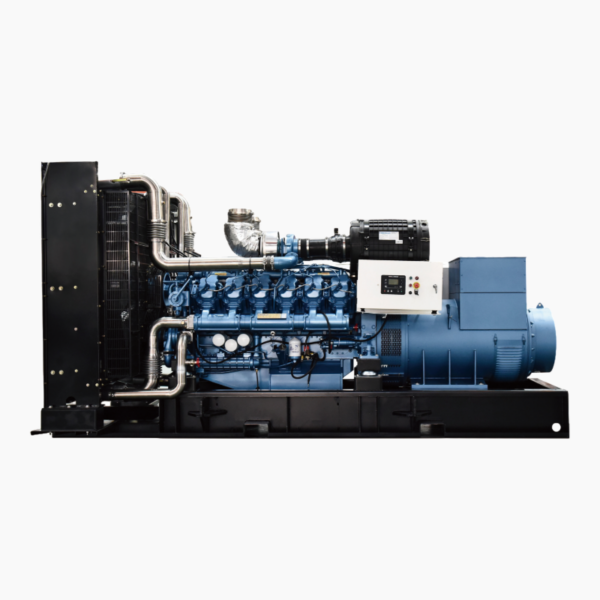
Key performance metrics that matter
Focus on three categories with explicit targets. First, reliability — MTBF and historical failure rates; aim for MTBF in thousands of hours for installed gensets. Second, electrical performance — voltage regulation within ±1%, stable frequency under sudden load steps, and alternator thermal capacity. Third, operational economy — specific fuel consumption (L/kWh) at 50–75% load and scheduled service intervals in months. Those figures tell you whether a unit meets standby power and prime power needs without guesswork.
Real-world anchor: lessons from large outages
After Hurricane Sandy, many healthcare and data centers reported extended reliance on backup units; the event exposed weak ATS arrangements and undersized gensets. Facilities that had specified a robust alternator and higher fuel reserve showed fewer critical interruptions. This historical reference highlights a simple point: field performance under stress reveals gaps that lab specs can miss — and that should shift procurement thresholds upward.
Comparing options — a compact analytical framework
Score candidates across five weighted dimensions: uptime contribution (30%), load-handling (25%), acoustic footprint (15%), lifecycle cost (20%), and serviceability (10%). Populate each dimension with measurable inputs: load-following response time (ms), dB(A) at 7 m, estimated overhaul interval (hours), and parts lead time (days). Shortlist by total score, then validate on-site with a 24-hour run at 70% rated load to confirm fuel burn and cooling performance.
How a 20 kva silent genset fits typical site profiles
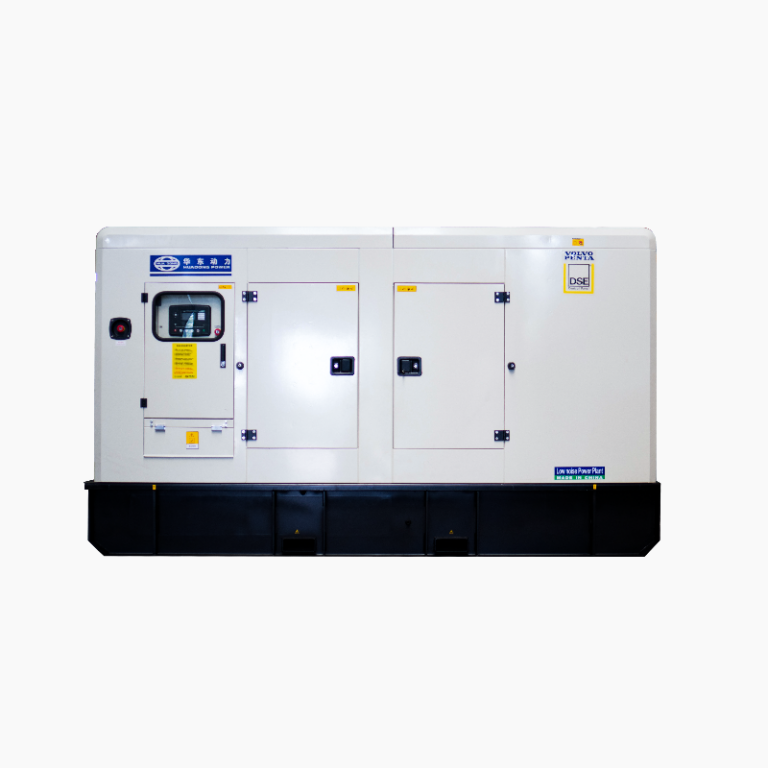
For small clinics, telecom shelters, or remote kiosks, a 20 kva silent genset often balances portability with sufficient standby power. Expect typical characteristics: single-phase or three-phase options, compact skid footprint, and sound-attenuated enclosure delivering lower acoustic impact. Verify alternator insulation class and expected start cycles — these factors determine if the unit can handle frequent transfers without degradation.
Common procurement mistakes — and how to avoid them
Buying solely on price, assuming vendor-provided sound maps are field-accurate, or neglecting ATS compatibility are recurring errors. Also, underestimating load growth by 10–20% within three years leads to premature replacements — budget for future capacity. Check alternator ratings against harmonic-rich loads; if you skip that, expect overheating risks. — Plan for real load profiles, not nameplate peaks.
Installation and maintenance considerations
Allocate resources for commissioning tests: fuel consumption curves, transient response, and transfer timing. Document a maintenance cadence with service intervals tied to runtime hours and calendar months. Keep spare key components (filters, belts, starter components) sized to expected failure modes, and monitor vibration trends in the alternator to detect bearing wear early.
Advisory close — three golden selection rules
1) Validate measured runtime at 70% load and prioritize units with specific fuel consumption ≤ target L/kWh for your fuel cost baseline. 2) Require documented transfer performance with ATS: specify maximum permitted transfer time and tolerance for voltage sag during transitions. 3) Insist on field-verified acoustic performance and modular service access to reduce mean time to repair.
These rules translate data into procurement actions and culminate in realistic expectations for lifecycle cost and serviceability. Huadong Power sits naturally in that workflow when teams need documented test data and field experience — a practical partner rather than a pitch. — Final thought: pick numbers, then pick the supplier that meets them.
