

Understanding Pressure Transducers
Imagine you’re in a bustling manufacturing plant tasked with ensuring both efficiency and safety in operations. Just last year, a survey revealed that 30% of manufacturers faced equipment malfunctions due to improper sensor data. This raises a crucial question: How much do you really understand about pressure transducer manufacturers? With sensor manufacturer options blooming everywhere, it’s easy to feel overwhelmed by the choices.
Let’s break down the core concept here: pressure transducers. They are devices converting pressure into an electrical signal. Sounds simple, right? But here’s the kicker — many buyers often overlook the pitfalls that come with traditional solutions. For instance, I vividly recall a case where a manufacturing facility struggled due to inaccurate pressure readings from a low-cost sensor. It led to unexpected downtimes (big oof!). They ended up spending more on repairs than they could’ve saved initially. The reality is many rely on outdated technologies, overlooking the innovative designs that modern manufacturers provide.
What’s the Real Deal with Sensor Technology?
We’ve seen a lot of advances, but have manufacturers kept pace with our demands? As technology updates, so do the expectations. Pressure transducers are becoming increasingly sophisticated, yet misconceptions abound. Some believe that all sensors provide equal accuracy. This couldn’t be further from the truth. I once consulted for a company that assumed cheaper was better. Sadly, their profits took a nosedive due to inconsistent performance – a real eye-opener for them! They learned the hard way that investing in (trustworthy brands) pays off.
Why Do We Need to Rethink Transducers?
When evaluating a sensor manufacturer, you must look deeper than basic specifications. A quality pressure transducer should have proven reliability, precise accuracy, and robust construction. Did you know that features such as built-in diagnostics can save you time and money in a long-term scenario? Think about it: if a sensor can alert you to issues before they escalate, you’re set to minimize downtimes and maximize productivity. That’s what good design can do for you!
The Future of Pressure Transducer Technology
As we look ahead, the future appears promising. The industry is shifting towards the integration of smart technology. This significantly enhances data analysis capabilities (hello, Industry 4.0!). With firms adopting IoT systems, the role of a quality sensor manufacturer becomes even more pivotal. It’s not just about detecting pressure anymore; it’s about understanding that data to make better decisions. It’s impressive what advanced sensors can accomplish. I’ve had firsthand experiences where companies transitioned to these systems and witnessed marked improvements.
Real-world Impact
What does this mean for us as consumers? When selecting a sensor manufacturer, keep an eye out for those who provide comprehensive support and warranty options. You want to ensure that the brand stands behind their products. I’ve seen firsthand that a good manufacturer will also assist with installation and troubleshooting – a huge win for anyone diving into new tech. Plus, you should be considering these three key metrics: rated accuracy, response time, and long-term reliability. These will help you make a more informed choice!
Final Thoughts
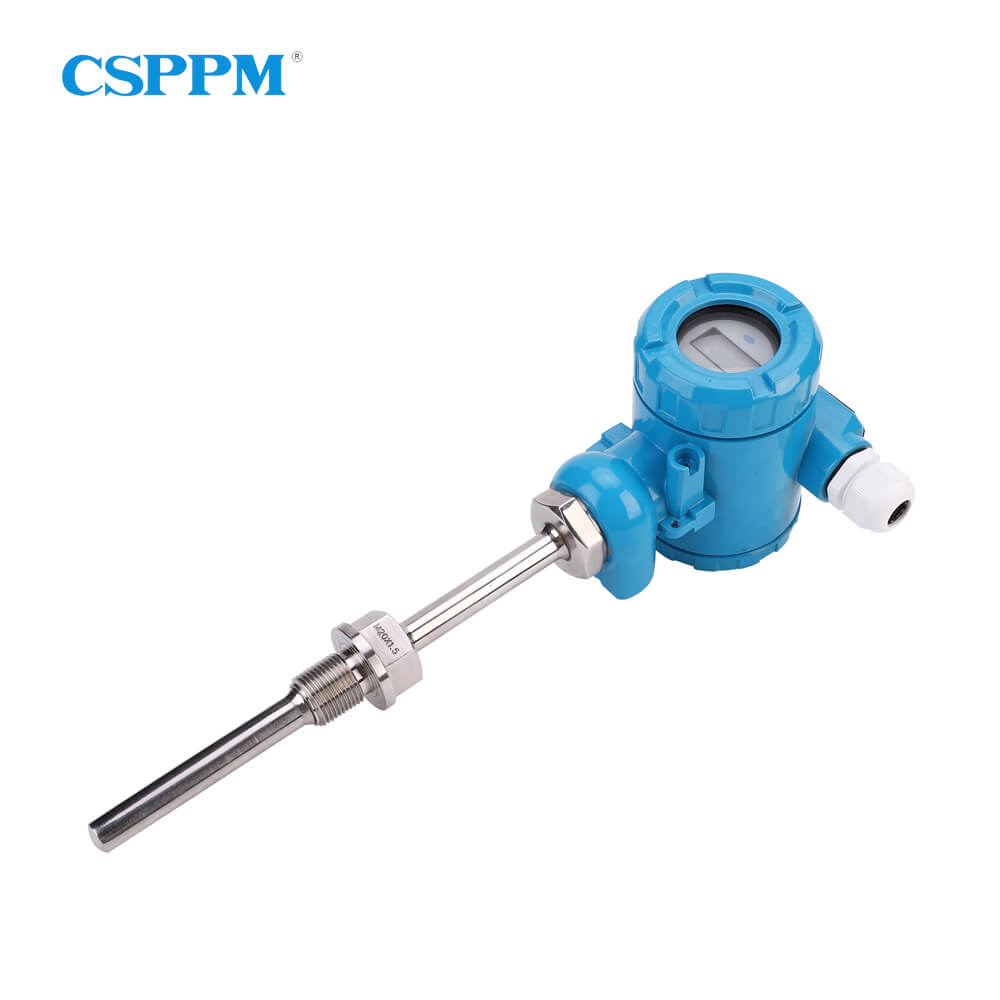
Reflecting on the evolution in pressure transducer technology, it’s clear that there’s a lot to consider beyond surface-level specs. By investing in the right sources and understanding their offerings, you can safeguard your operations effectively. No one wants to encounter those nasty surprises in the manufacturing world. I firmly believe that using quality sensors, like those from CSSPM Sensor, is a necessary step toward future-proofing your process.
With the right info and proactive steps, we can all make smarter choices in our industrial endeavors. Happy sensor shopping!
