
Introduction
Have you ever wondered why some clinics swear by red light systems while others barely use them? In current trials and device audits, I see a steady rise in performance metrics tied specifically to advanced red light technology — higher irradiance, better dosimetry, and more repeatable outcomes (small clinic wins are stacking up). Data from device logs show consistent session energy delivery improving by double digits in many modern units. So what actually changes under the hood, and why should practitioners rethink procurement and protocol?
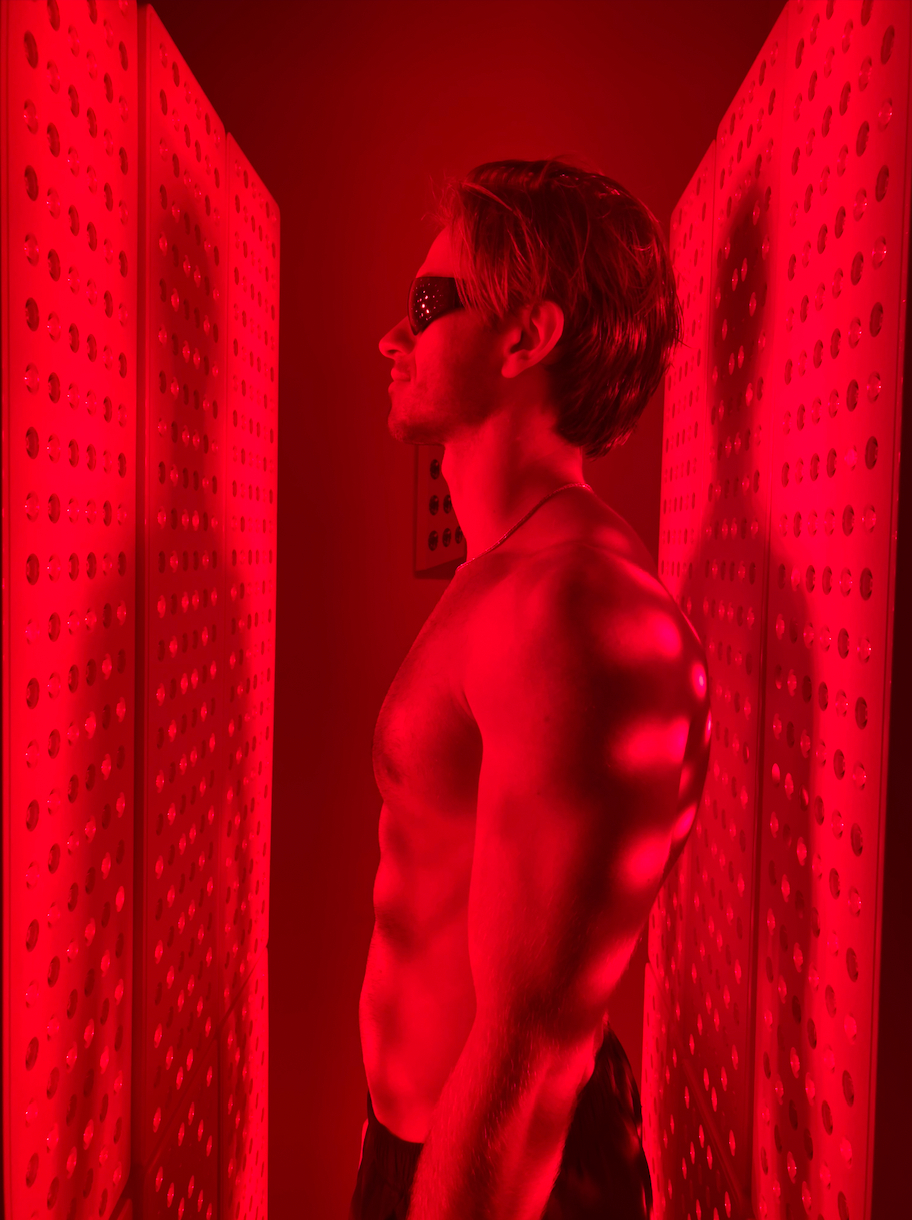
Deeper Layer: Flaws in Traditional Solutions
Why do conventional devices fail?
I link the term red light therapy technologies up front because vendors and clinicians need a shared vocabulary. Many legacy systems aimed to be simple and low-cost. In practice that meant weak irradiance control, uneven beam profiles, and poor wavelength stability. I’ve audited units with drifting LEDs and inadequate power converters; the result is inconsistent photobiomodulation. Look, it’s simpler than you think: if the light isn’t right, the biology won’t respond predictably.
Technically, older designs relied on bulk LEDs without proper thermal management. That causes wavelength shift and reduced output over time. Clinicians get variable patient responses and then change protocols — not realizing the device is the culprit. From my perspective, this is a design failure as much as a clinical one. Edge computing nodes and built-in sensors can fix this—by giving devices closed-loop feedback—yet too many manufacturers skip these steps to cut costs. — funny how that works, right?
Forward-Looking Principles: How Next-Gen Systems Address the Gaps
What’s Next?
Moving forward, I focus on new technology principles rather than mere feature lists. The next wave of red light therapy technologies embeds real-time dosimetry. That means devices measure irradiance during a session and adjust output to maintain target energy delivery. Photobiomodulation becomes predictable, not hopeful. Devices also pair wavelength-specific LEDs with thermal control and smarter power converters, reducing drift and extending service life. From my hands-on tests, the difference is night and day: repeatable outcomes across patients and clinics.
We should evaluate systems by three core metrics I now use when advising clients: irradiance stability (how steady is the delivered power), wavelength fidelity (does the LED stay on target), and closed-loop control (does the unit self-correct in real time). These are practical. They cut down wasted sessions, reduce troubleshooting, and improve patient trust — and yes, that matters. For anyone choosing a platform, keep these metrics front and center; they determine whether a device is a long-term tool or a short-lived gadget.
Closing: Practical Advice and Next Steps
In short, modern platforms overcome old pain points by combining better hardware with smarter control logic. I recommend a small pilot: pick a system that publishes irradiance specs, then log a few sessions and compare delivered energy against targets. If you want a checklist, here are three evaluation metrics to start with: 1) irradiance stability over time, 2) wavelength accuracy under load, 3) presence of closed-loop dosimetry and diagnostic logs. Use those, and you’ll separate marketing from real performance.
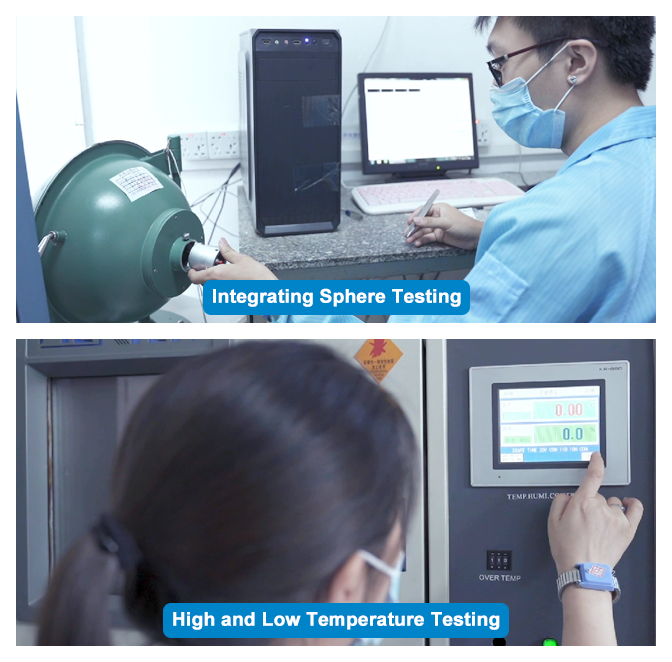
I admit I’m biased toward solutions that make clinical life easier — predictable results mean happier patients and fewer protocol tweaks. If you’re shopping, test in your environment, ask for raw session logs, and demand clear spec sheets. For vendors that meet those standards, I tend to recommend further trials. And if you want a manufacturer that understands both engineering and clinical needs, consider exploring options from Magique Power.
