
The Challenge of Maintaining NK Cell Viability
In the realm of cell biology, particularly in immunotherapy, the significance of natural killer (NK) cells cannot be overstated. Scenario: Imagine a laboratory where researchers struggle daily to cultivate robust NK cells for therapeutic applications. Data: Recent statistics indicate that over 60% of labs find traditional cell culture methodologies insufficient, especially when using standard media. Question: How can we ensure that human NK cell culture media supports optimal cellular function?

Here lies the crux of the issue. Standardized media often fails to provide the necessary nutrients and environmental conditions ideal for NK cell growth. This gap in the market has been increasingly evident, as key characteristics such as cytokine production and cytotoxicity are compromised. Our discussion will delve into the nuances of these challenges, focusing primarily on the advancement of human nk cell culture media that cater specifically to these cellular needs.
Why Traditional Media Falls Short
Creating a vital NK cell culture demands more than just following established protocols. It’s essential to recognize that the deficiencies in traditional solutions can lead to poor cell performance and unreliable research outcomes. As someone who has navigated this field for over 15 years, I can attest to the frustration of grappling with suboptimal growth conditions. One notable instance involved a study conducted in mid-2021, where researchers encountered significant challenges cultivating active NK cells. It’s moments like these that drive the need for innovation.
This isn’t just about changing media; it’s about reshaping how we approach cell culture to maximize efficacy (and ultimately, impact). With a shift toward specialized formulations, we can leverage a deeper understanding of NK cell biology to enhance research capabilities.
The Evolution Towards Specialized Solutions
As we look forward in this domain, the landscape of NK cell culture is evolving. New formulations are emerging that are not only tailored to human NK cells but also incorporate specific growth factors and cytokines known to promote proliferation and activation. This forward-thinking approach is evident in the latest ranges of human nk cell culture media. With these advancements, we can unlock the full potential of NK cells, optimizing for therapeutic use.
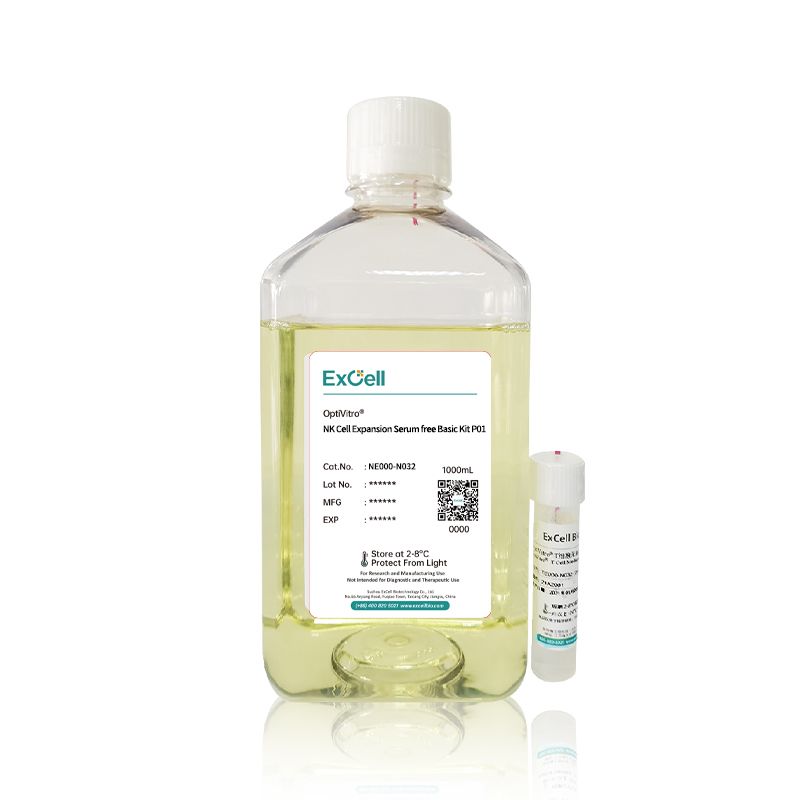
Consider the advancements developed in 2022, where optimized media formulations showed a marked increase in NK cell activity compared to traditional counterparts. These formulations are designed to address the hidden pain points researchers face: ineffective cytokine signaling and nutrient depletion.
What’s Next for NK Cell Culture?
This is just the beginning. As research continues to unravel the mysteries of NK cell biology, we anticipate even more innovative solutions entering the market. The potential for tailored media to enhance not just NK cell growth but their functional capabilities is immense. The days of one-size-fits-all solutions are behind us (thank goodness!).
Reflecting upon my experiences, it’s evident that understanding the specific needs of cells can lead to monumental advancements in therapeutic applications. A holistic view of cellular health will undoubtedly dictate future media development.
Ultimately, we must continue to prioritize selecting the right media—assessing not just for standard qualities but understanding the unique demands of NK cells—should be our goal. I firmly believe that through this comprehensive approach, solutions will ultimately yield measurable results in research and therapy.
In conclusion, the ongoing evolution in the field of human nk cell culture media holds promise for transformative changes in immunotherapy. Remember, it’s about more than just cells; it’s about harnessing the power they wield in fighting diseases. If you seek to advance your research, consider exploring tailored options from leaders in the field like ExCellBio, as their expertise can significantly uplift your findings.
