
Setting the Scene: Hybrid Events, Real Voices, and a Better Path
Big call: the hardest part of a hybrid event isn’t the stage or the stream. It’s keeping everyone heard, in any language, without lag or drops. An interpretation system is the quiet engine that makes that happen, from booth to browser. With remote simultaneous interpretation now standard for conferences, boardrooms, and town halls, the stakes are clear. Event tech reports show that many large meetings now run hybrid, often with a big chunk of listeners joining online. That means more variables—networks, devices, acoustic spill, and human fatigue. So, what actually breaks first when the room goes live?
Picture a panel where the room is buzzing and the moderator moves fast. The language feed needs a tight latency budget, steady gain structure, and reliable QoS across both wired and wireless paths. One glitch and trust drops—funny how that works, right? In the booth, interpreters rely on clean audio, proper channel management, and a DSP pipeline that won’t buckle under load. On the far end, listeners need consistency across apps and headsets. The question is simple: how do we compare old-school setups to newer models and pick the right path (no worries, we’ll keep it plain)? Let’s dig into what really holds back scale and clarity, then map the smarter options ahead.

Under the Hood: Why “Just Stream It” Fails for Remote SI
Where do legacy setups fall short?
When teams lean on basic video-call tools for remote simultaneous interpretation, cracks show fast. Legacy chains mix consumer audio codecs with unpredictable jitter buffers. That chews up your latency budget and adds artefacts when bandwidth swings. Room mics feed into a laptop, then hop across the public internet with no QoS tagging. Packet loss hits, interpreters lose nuance, and recovery spikes listener fatigue. Add RF spill from crowded 2.4 GHz, and the channel map gets messy. Look, it’s simpler than you think: without a stable clock, clean preamps, and proper gain staging, even the best linguists can’t save the stream.
Traditional cart-based rigs also assume a single room and a fixed audience. Today, sessions split into tracks, pop-up hubs, and overflow spaces. You need redundancy—dual encoders, failover paths, and edge computing nodes for local decode. Old systems often lack proper monitoring: no real-time SNR readouts, no end-to-end round-trip metrics, and limited alerting on power converters or network loops. That means faults hide until the keynote. And when the mix-minus is off by a beat—echo. Test time shrinks, stakes grow, and the “good enough” stack becomes your biggest risk.
Looking Ahead: Principles That Make Modern Interpreting Work
What’s Next
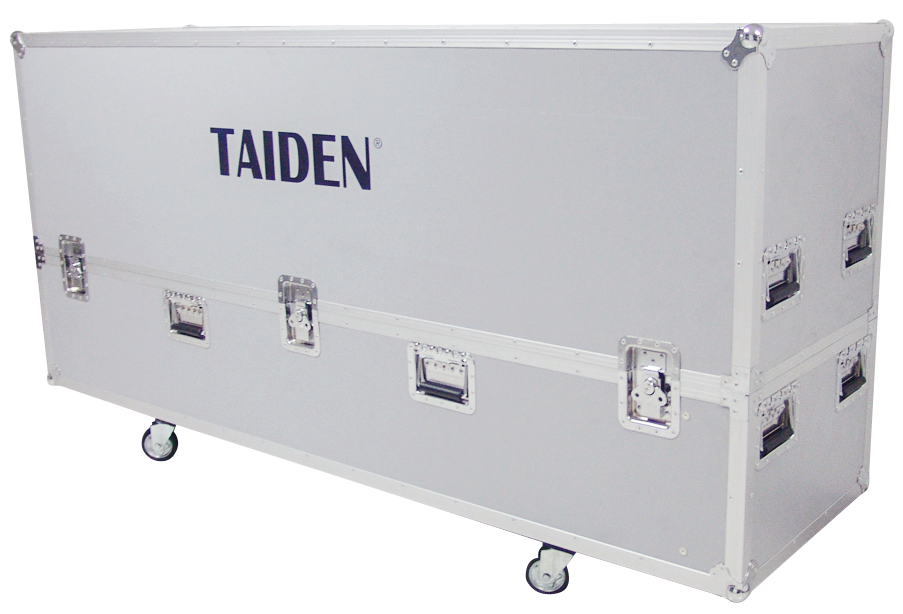
The smarter way forward uses new technology principles rather than bigger band-aids. Start with low-latency audio paths built on resilient codecs, adaptive jitter buffers, and deterministic routing. Add continuous telemetry—latency, packet loss, headroom—visible to both AV ops and language leads. Then build a layered topology: local capture into hardware DSP, encrypted transport over prioritised networks, and cloud relay only where needed. A portable simultaneous interpretation system extends this model into breakout rooms and mobile stages, keeping channel isolation clean while reducing setup time. Compare that to legacy carts and you’ll see the wins: faster spin-up, predictable delay, and fewer mystery pops. Different venues, same backbone—modular I/O, proper sync, and clear channel labels. And yes, it still matters—naming and labelling reduce operator error more than any shiny feature.
We can boil the choice down without hype. Old stacks assume the room; new stacks assume movement. Old stacks hide faults; new stacks surface them in dashboards. Old stacks scale by adding people; new stacks scale by adding nodes and policy. If you’re shortlisting options, use three practical checks. 1) Measure end-to-end performance: round-trip latency under 200 ms for talkback, stable SNR, and consistent loudness across feeds. 2) Verify resilience: redundant backhaul, hot-swappable endpoints, and clear failover logic that a tech can trigger in seconds—no scripts required. 3) Confirm usability at pace: fast channel assignment, interpreter monitoring tools, and role-based control so ops don’t trip over each other. Get those right and your language layer feels invisible, which is the point. For further reading and kit examples, see providers like TAIDEN.
