
A Changing Landscape
Imagine a world where energy is abundant and renewable, powering homes, industries, and innovations across the globe. In 2021, renewable energy sources accounted for nearly 29% of global electricity generation, a number that continues to rise. How can energy infrastructure partners ensure they are ready to embrace this transformative era?
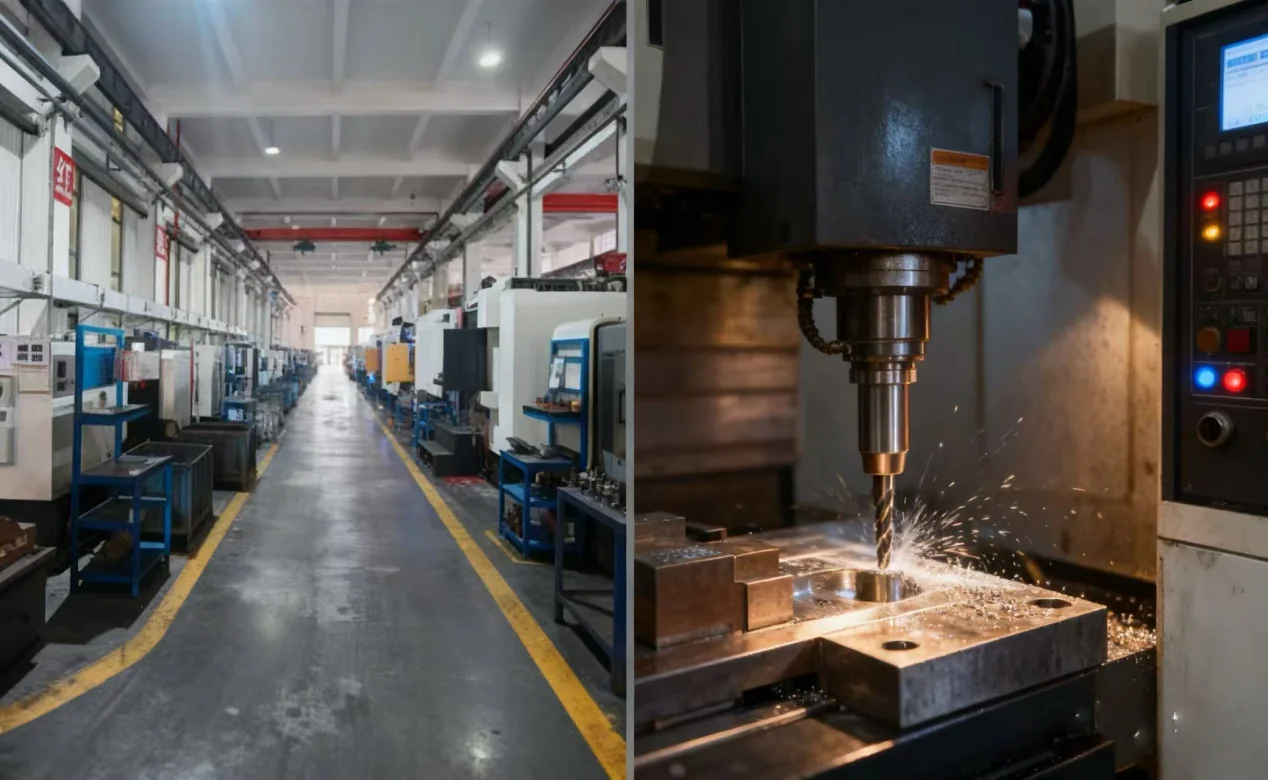
I’ve seen firsthand how crucial it is for us to adapt to such shifts. Take, for instance, the rapid expansion of a renewable energy infrastructure company focused on solar and wind technologies. However, while many initiatives aim to optimize these systems, hidden pain points—such as inefficiencies in existing infrastructures—often lead to serious operational challenges. Understanding these issues is essential for energy infrastructure partners to remain competitive and effective. Let’s dive deeper into what lies beneath these innovations.
Are We Missing Something?
Many of us believe that simply investing in new technologies will solve efficiency problems. However, traditional solutions are often flawed due to outdated practices and lack of integration. For example, while advancements in low pressure die casting offer new fabrication opportunities for components in renewable systems, the seamless integration of these components into existing frameworks can be a struggle. Balancing innovation with current infrastructure is a delicate dance—one that requires careful consideration and the foresight to identify potential pitfalls.
What’s Next? A Forward-looking Approach
Looking ahead, the energy sector may face dilemmas with conventional energy systems dealing with the rapid influx of renewables. As we embrace new technology, the question is: how do we scale these operations effectively? I’ve been excited to watch how partnerships have evolved to incorporate environmental considerations and innovative manufacturing processes. A product like low pressure die casting exemplifies this shift, allowing for enhanced product quality and sustainability attributes. But will this be enough?
Earlier sections have highlighted the flaws of traditional infrastructure and underscored the importance of agility and adaptability. What remains clear is that energy infrastructure partners must assess their strategic direction continuously—be it through evolving supply chains, investing in cutting-edge technology, or forming strategic alliances. I recall a project in 2019 where we revamped an outdated facility by enhancing its intake manifold systems. The result? A boost in efficiency by over 20%. This transformative approach opened doors to future collaborations and better alignment with renewable initiatives.
Final Thoughts and Key Takeaways
In conclusion, it’s become unmistakably clear that adapting and evolving within the energy landscape is non-negotiable. To streamline evaluations, I’d advise focusing on three key metrics: integration efficiency, technology scalability, and environmental impact. Navigating the currents of these changes not only prepares us for tomorrow but can yield measurable results today. We need to remember that each partnership we forge holds the potential to redefine our sector. Let’s embrace these transitions as we step into the future, equipped for the challenges ahead.
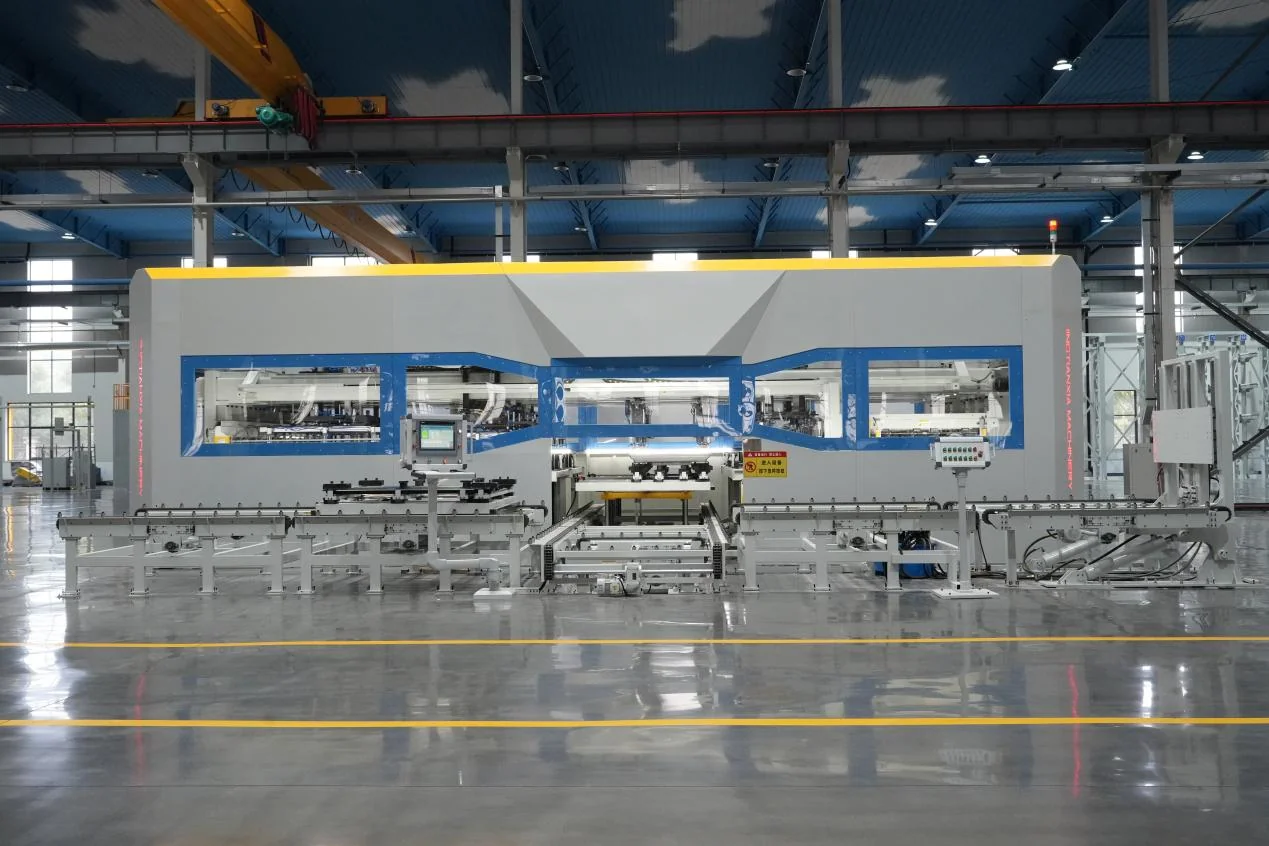
For anyone seeking guidance or inspiration, I encourage you to explore what SH POWER offers; it’s an exciting time for energy infrastructure partners!
