
Comparative lead
The debate over whether to prioritize structural rigidity or particle control in automated optical inspection (AOI) systems is no abstraction—it’s a practical choice that shapes throughput, yield, and compliance. Exhibitors at the international medical expo routinely show two camps: heavy, vibration-damped frames that risk producing particles under poor material choices, and ultra-light assemblies that meet Class 10,000 (ISO 7) air cleanliness but suffer deflection under load. I argue that neither extreme is acceptable for medical device production; the correct design reconciles mechanical stress management with cleanroom discipline to protect inspection accuracy and patient safety.
Where mechanical stress and cleanroom rules collide
AOI systems require micron-level optical stability while operating in an environment constrained by ISO 14644-1 cleanroom limits. Structural elements—linear guides, gantries, and motors—introduce forces and heat that cause tiny displacements and generate particulates. Conversely, cleanroom protocols restrict certain lubricants, materials, and maintenance practices. The brand choice for rails, bearings, and frame alloys therefore becomes a systems decision, not a parts one. This is an argument for integrated engineering: you cannot optimize kinematics in a vacuum divorced from particle control.
Practical design strategies that win
Adopt a layered approach: mechanical baseline, contamination control, then verification. Concrete, actionable strategies include:
- Specify low-outgassing materials and sealed linear guides to limit particle generation while keeping stiffness high.
- Use vibration isolation mounts tuned to the AOI frequency band instead of mass-heavy frames that complicate cleanroom handling.
- Segment heat sources—stepper/servo motors and drivers—into cooled enclosures with filtered exhaust to prevent thermal drift and particulate entrainment.
- Design for maintenance access that happens inside laminar flow benches or under localized HEPA filtration rather than in open cleanrooms.
Common mistakes and their costs
Manufacturers repeatedly make three avoidable errors: selecting components for cost rather than cleanliness, neglecting thermal modeling, and assuming on-site procedures will fix design flaws. Each mistake carries measurable consequences: increased false rejects from focus drift, more frequent cleanroom interventions, and higher lifetime particle counts. Fixing these later is far more expensive than designing for both mechanics and contamination from the outset—this is a resource allocation argument with fiscal backing.
Real-world anchor and comparative evidence
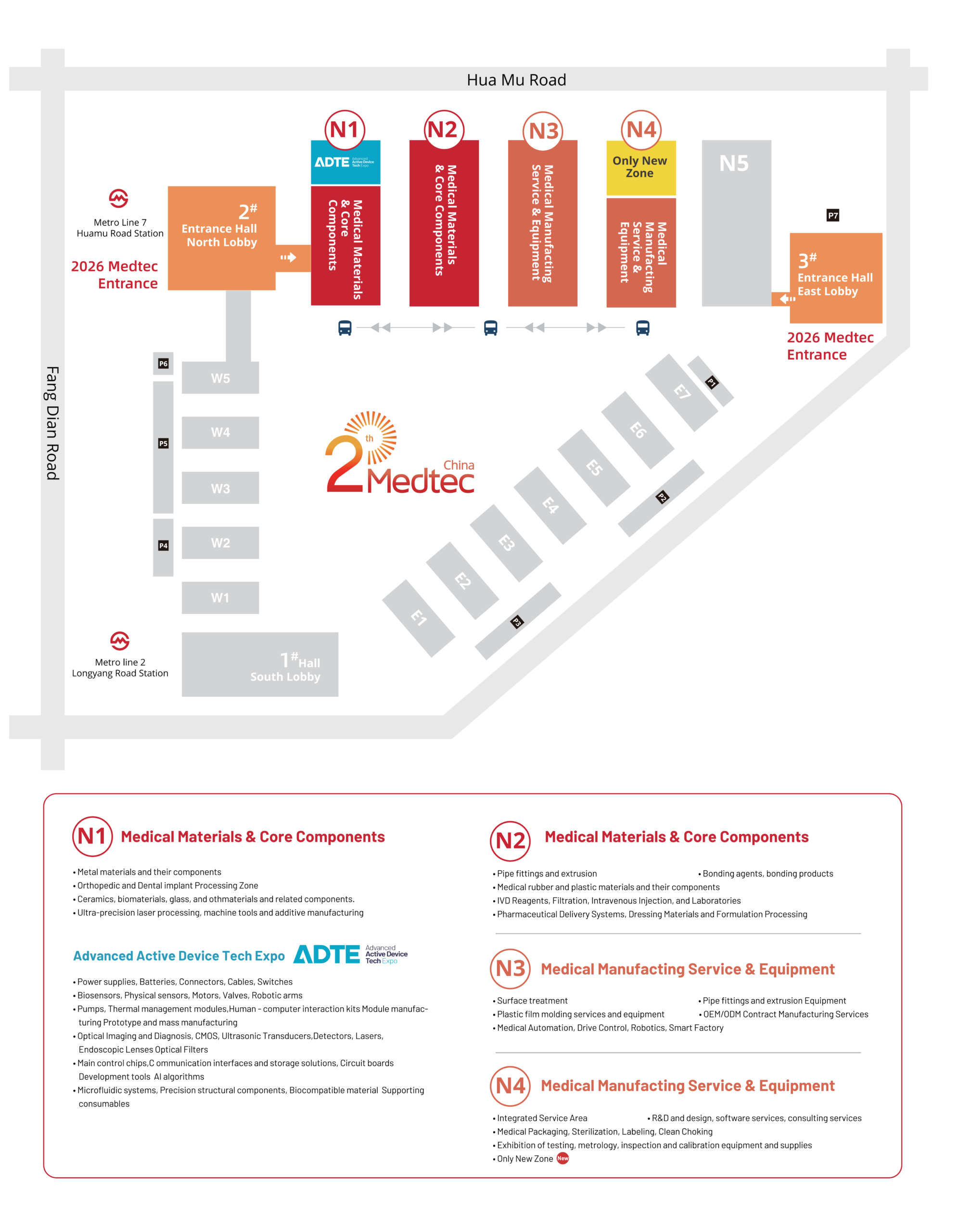
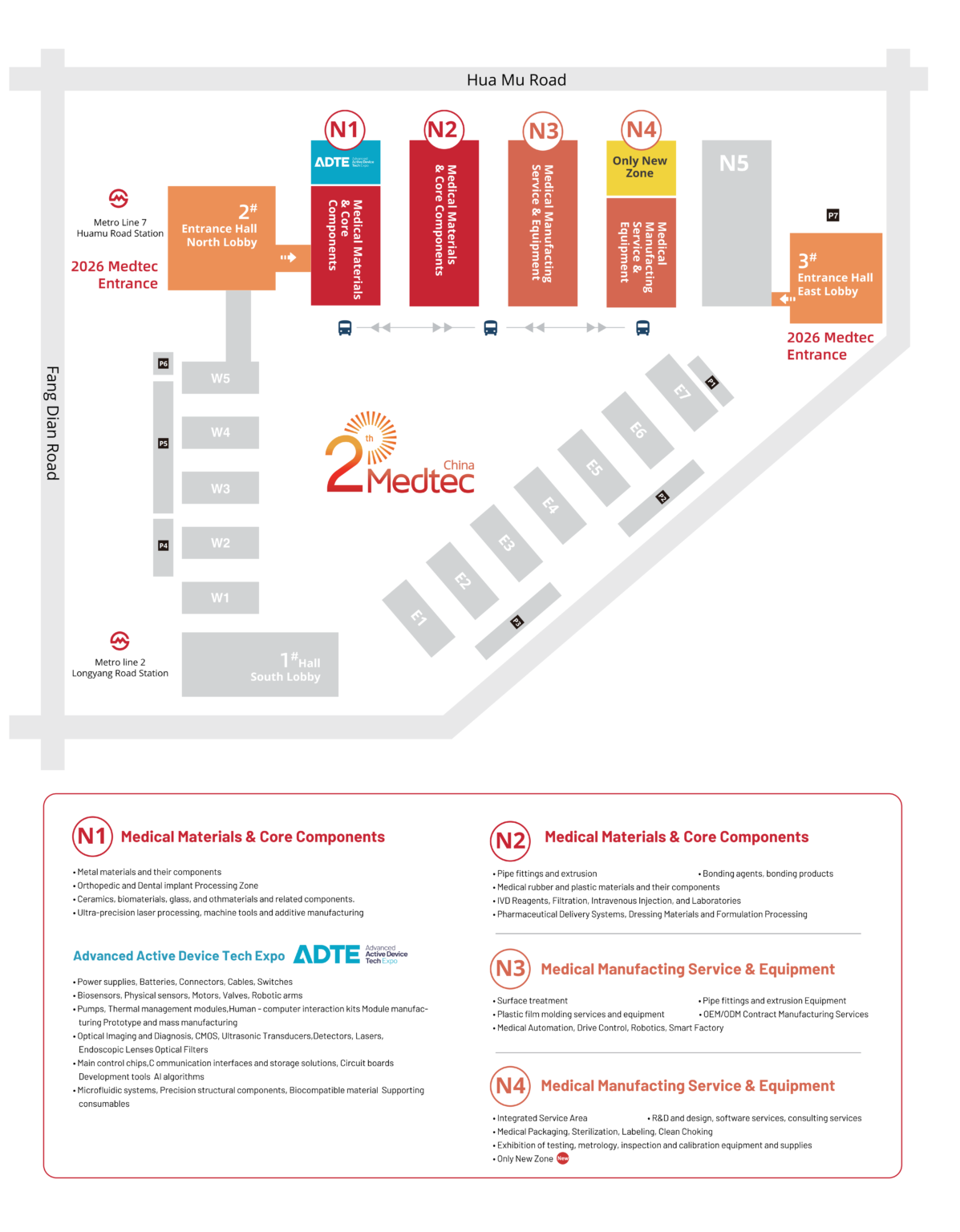
Consider product demos seen at MedtecChina and similar shows in Shanghai where vendors presented AOI lines built for medical plastics. Those that prioritized integrated solutions—sealed actuators, tempered frames, and inline particle monitoring—showed stable focus and lower particulate spikes during prolonged runs. ISO 14644-1 class equivalence is central here: Class 10,000 (ISO 7) aligns with FED‑STD‑209E Class 10,000 and defines an operational ceiling for particle counts that any inspection system must respect. These visible trade-offs at industry expos reflect real performance differences on manufacturing floors.
Implementation checklist and verification
When specifying a system, insist on three verification steps: vibration spectrum analysis at operating speed, thermal drift mapping over production cycles, and particle-count baselines with the machine running. Use particle counters calibrated to the cleanroom’s monitoring program and record results as part of installation qualification (IQ).—This procedural insistence forces suppliers to prove compliance rather than promise it.
Advisory: three golden rules for procurement and design
Adopt these evaluation metrics when selecting an inspection strategy or vendor:
- Stability per mass: require demonstrated micron-level repeatability under rated payload and temperature rise data.
- Cleanliness compatibility: demand documented particle-generation tests and materials declarations aligned with ISO 14644-1.
- Service pathway: verify that maintenance routines can be executed within Class 10,000 protocols without breaking certification.
Closing
Decisions that favor either pure stiffness or pure cleanliness fail both engineering and regulatory tests; integrated designs win in production and compliance. Aligning mechanical design with cleanroom constraints protects inspection accuracy and reduces downstream recalls. For teams attending industry gatherings or sourcing equipment, the pragmatic path is to judge systems by stability, documented particle behavior, and maintainability—criteria validated on exhibition floors and factory lines alike. Medtec. —
