
Introduction — Bold Claim, Real Scene
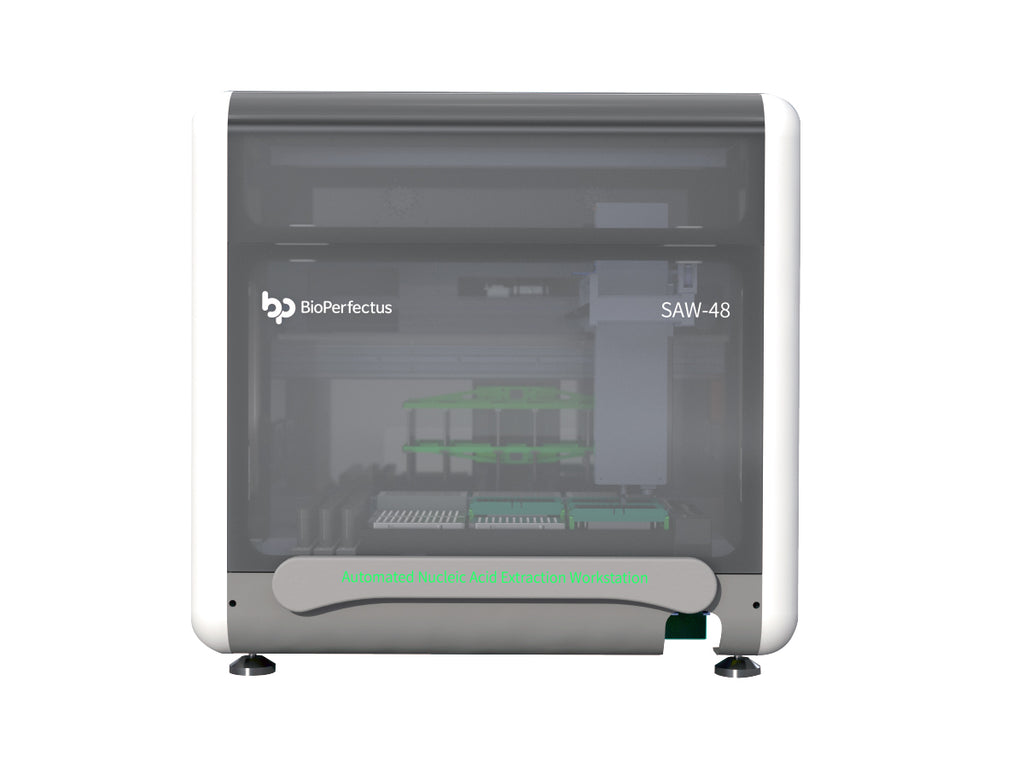
I’ll say it straight: automated nucleic acid extraction workstations are the quiet rockstars of modern labs. Right now, labs run hundreds to thousands of samples a week; instrument uptime and throughput decide the day (and the night). The automated nucleic acid extraction workstation sits center stage in many pipelines, moving samples through lysis, binding, wash and elution steps with robotic liquid handling and magnetic beads. Data shows throughput gains can cut hands-on time by half and reduce contamination risk — but do these gains always pan out in the messy real world? I’m talking lab floors that smell like coffee and ethanol, bench space that’s tight, and staff who juggle PCR prep and calls. I’ve watched teams celebrate a new unit and then grind through calibration headaches for weeks. That scene frames our question: can these systems actually deliver consistent speed, low error, and simple maintenance for everyday labs — not just big core facilities? (Look, I’m biased — I’ve seen both wins and facepalms.) Let’s roll into what really trips people up, what the tech promises, and where the rubber meets the road — next up: why many setups still miss the mark.
Why Many Systems Still Miss the Mark — Technical Look
I’ll dive technical here: the main topic is the automated nucleic acid extraction system, and the problems are often under the hood. First, sample prep variability kills reproducibility. If lysis buffers, sample volumes, or bead chemistry change, the kit performance shifts. Second, hardware limits — older liquid handling heads and imprecise pipetting robots — introduce carryover and volume errors. Third, contamination control and consumables logistics are underestimated. I’ve counted runs lost to a single clogged tip or a mislabeled plate. Throughput and reproducibility claim a lot on paper; the lab bench tells another story. This is where system design matters: closed-system modules, reliable magnetic separators, and robust waste handling cut risks. Also, software matters — simple GUIs and clear error logs save hours. Magnetic beads, RNAse-free surfaces, and closed-tube workflows are not just buzzwords; they’re shields. Look, it’s simpler than you think — standardize inputs, train users, and insist on traceable consumables. — funny how that works, right?
So what breaks first?
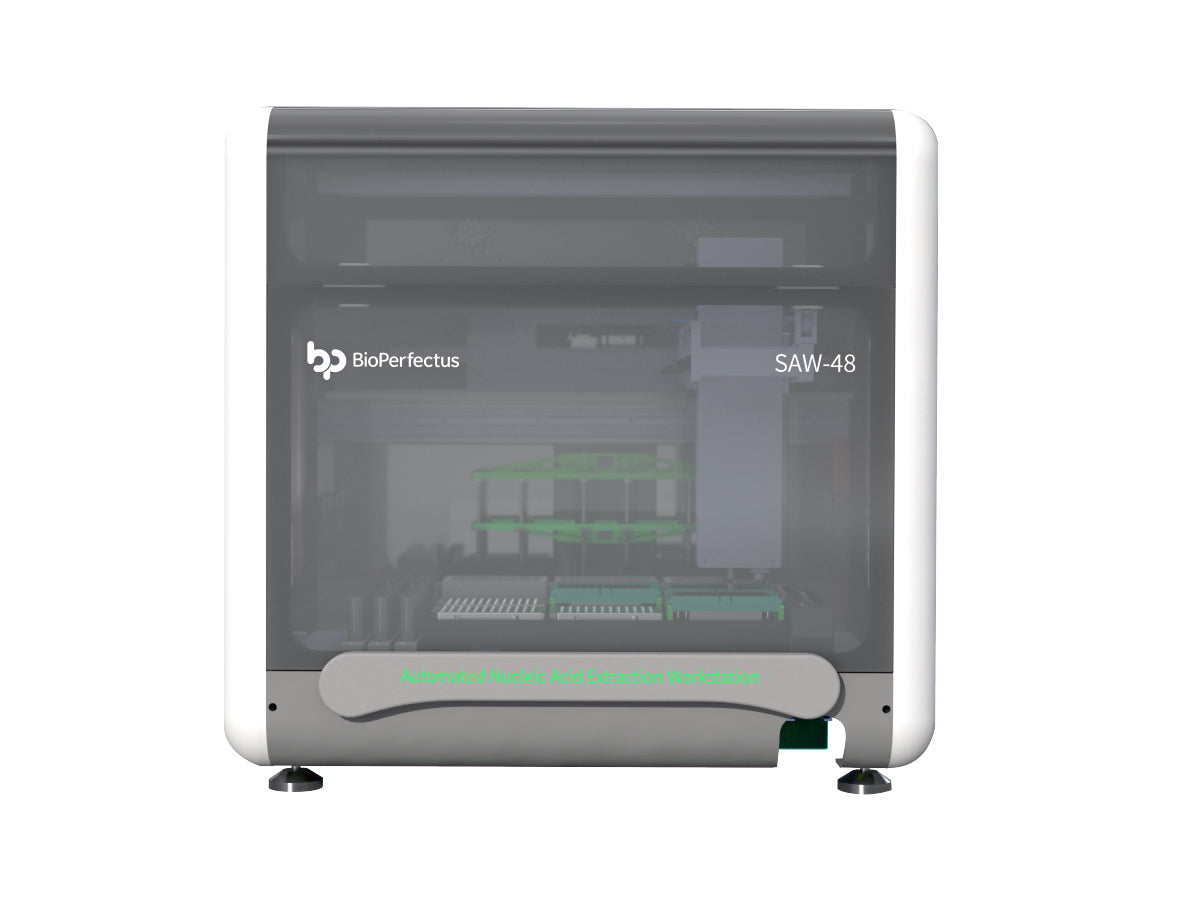
Mostly it’s the small stuff: pipette tips, worn seals, and inconsistent reagent prep. Those things compound into failed runs. I’ve learned to ask: where will this system be used, who will operate it, and what backup parts are available? Answer those and you cut surprises.
Future Outlook — Case Examples and Choosing Smartly
Looking forward, I expect two shifts: smarter automation and better integration. Labs will pair the automated nucleic acid extraction system with LIMS and edge computing nodes for near-real-time tracking. That means fewer sample swaps, faster decision loops, and better audit trails. We’ll also see modular instrument designs — swap a magnetic module for a heating block in minutes. Those changes cut downtime and make maintenance less scary. I remember a site where switching to a modular workflow trimmed turnaround by a day. It felt like a major win. — and yes, people cheered. Hardware-wise, expect more focus on power converters and regulated power supplies so instruments behave predictably across sites. Consumables will be smarter too: barcoded plates and RFID-tagged reagent packs. All of this reduces human error and speeds scale-up.
What’s Next?
Real-world pilots are the bridge. Run a two-week validation with your typical sample types. Track Ct shifts, throughput per operator, and downtime events. Compare those numbers to vendor claims. I’ve run pilots that revealed subtle biases in extraction efficiency for low-copy samples — those matter a lot when clinical decisions depend on them.
Practical Advice — Metrics to Use When Evaluating Systems
Here are three metrics I lean on when recommending solutions. They’re simple, measurable, and they tell the real story. First, extraction efficiency across sample types (look at Ct differences and recovery rates). Second, mean time between failures and parts availability (count downtime hours and spare-part lead times). Third, total hands-on time per 96-well run — not vendor hype but observed time with your team. Those three give a clear view of performance, reliability, and cost to operate. I’ll be honest: no system is perfect. We weigh trade-offs — speed vs. precision, modularity vs. cost. But if you prioritize reproducible chemistry, rugged liquid handling, and easy software, you’ll get the best returns. If you want a proven partner, check options from teams that back their products with real service networks and clear documentation. In my view, that’s how you move from hope to steady results. For further info and specific models, I recommend checking out BPLabLine — they gave me solid demos and answered the nitty-gritty questions I asked.
